HONESTY
The Courage to Tell the Truth, Love Your Community, and Help Those in Need
I would like to begin this episode with a few questions for all of us:
What is wrong with choosing to be honest?
What is wrong with choosing to love your community?
What is wrong with deciding to support people who are in need?
These may seem like simple questions, but sometimes the answers are not as simple as we expect. In a world where honesty can be uncomfortable and where speaking the truth may sometimes create tension, choosing to do what is right can require courage.
In this episode, I want to reflect on three values that I believe are essential to a meaningful life: honesty, loving your community, and helping those in need.

1. Honesty
The word honest describes someone who consistently tells the truth, acts with integrity, and refuses to lie, cheat, steal, or deceive others. An honest person is genuine, trustworthy, and fair.
What does honesty mean?
- Truthfulness: Saying what is true and avoiding lies.
- Trustworthiness: Acting in a way that allows others to depend on you.
- Genuineness: Being authentic rather than pretending to be someone you are not.
- Fairness: Doing what is right without cheating or taking advantage of others.
In simple terms, being honest means telling the truth, acting fairly, and refusing to lie, cheat, or steal. Honesty is one of the foundations of good character because it creates trust and strengthens relationships.
However, honesty is not always easy.
Sometimes, people appreciate the truth only when it agrees with what they want to hear. When the truth challenges someone’s expectations, interests, or beliefs, it can become uncomfortable.
But the fact that the truth is uncomfortable does not make it less true.
2. Loving Your Community
Loving your community means caring deeply about the people and the place around you and taking meaningful actions that contribute to their well-being, development, unity, and future.
It is more than simply saying that you love your community. True love for a community is demonstrated through action.
For example, loving your community means:
- ❤️ Caring about the well-being of others.
- 🤝 Helping people who are struggling.
- 🏘️ Contributing to the development of your community.
- 🗣️ Speaking up when something is wrong.
- ⚖️ Promoting justice, fairness, and respect.
- 🌱 Investing in young people and future generations.
- 🫂 Supporting vulnerable and marginalized people.
- 💪 Using your skills, resources, and time to make your community better.
- 🕊️ Promoting peace, reconciliation, and unity.
- 🌍 Protecting the environment and common resources.
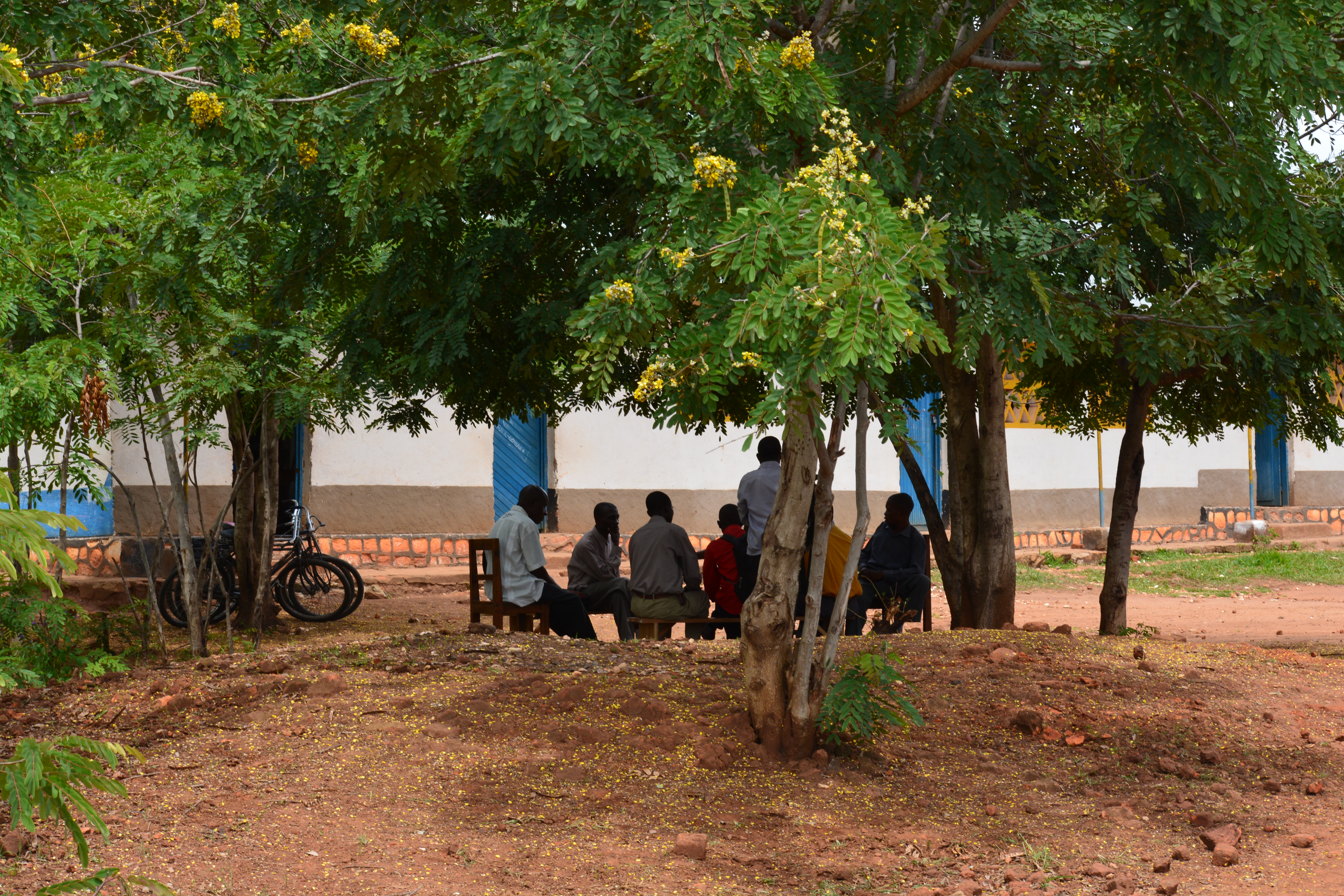
In a deeper sense, loving your community means wanting to see the entire community prosper—not just yourself.
A person who truly loves their community does not remain indifferent when others are suffering. They ask themselves: What can I do? How can I contribute? How can I make a difference?
3. Helping Those in Need
The expression “help those in need” simply means supporting people who are struggling or who do not have the basic resources they need to live well.
Helping others can take many forms.
What does helping others involve?
- Giving support: Sharing food, clothing, financial assistance, or safe shelter.
- Giving your time: Volunteering, mentoring, teaching, or simply being present for someone.
- Showing compassion: Listening to someone who is going through a difficult moment and offering emotional support.
- Using your skills: Sharing your knowledge, experience, or abilities to help someone improve their situation.
Why does it matter?
Helping others strengthens communities and creates a culture of compassion and solidarity. It reminds us that we are not living only for ourselves.
When we help someone who is struggling, we may not solve every problem they face, but we can give them hope, dignity, encouragement, and the strength to keep moving forward.
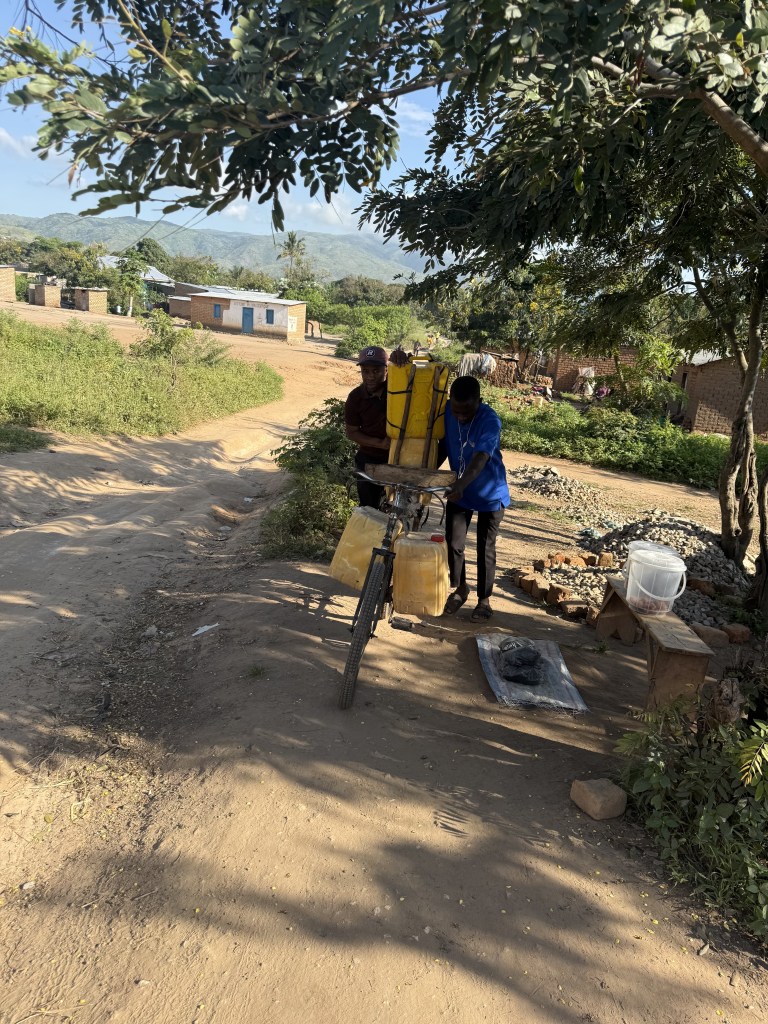
Lessons From My Journey
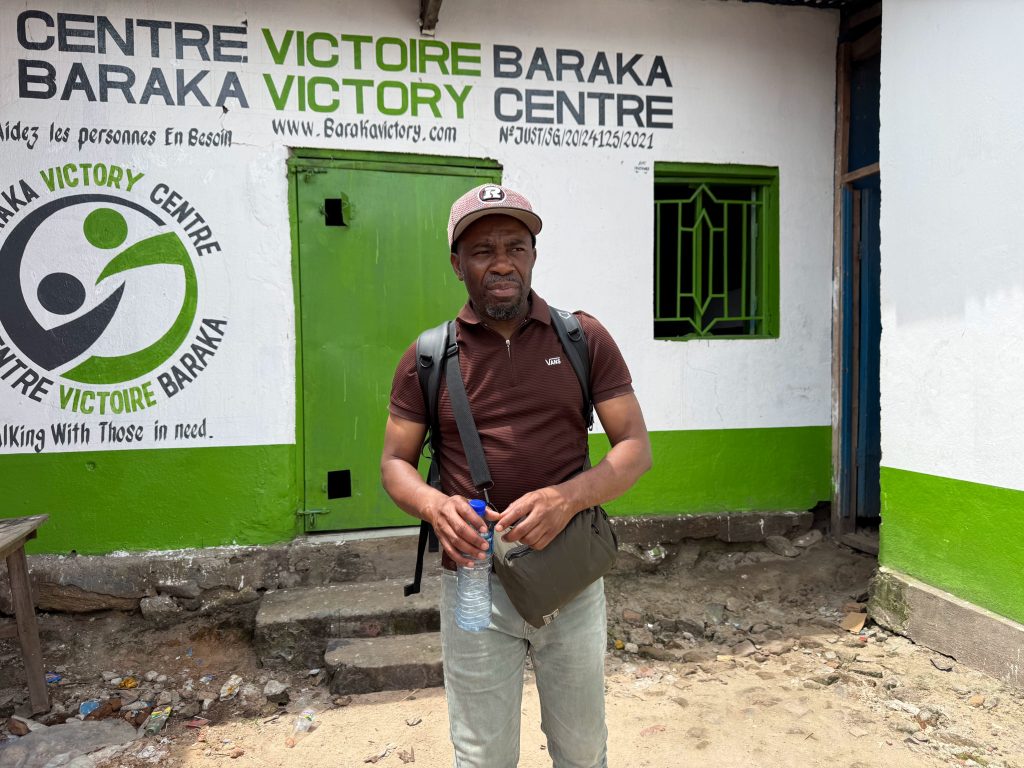
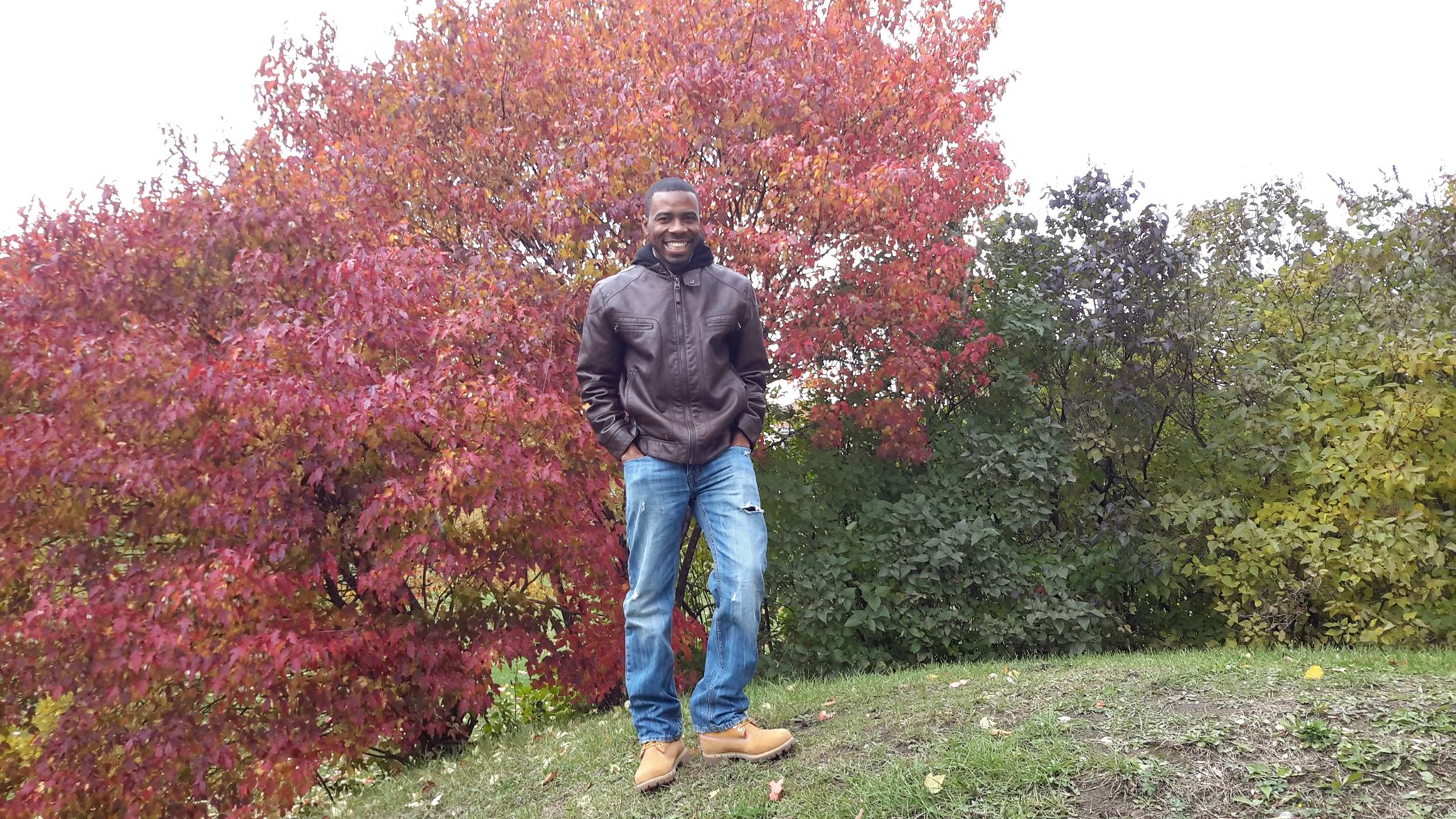
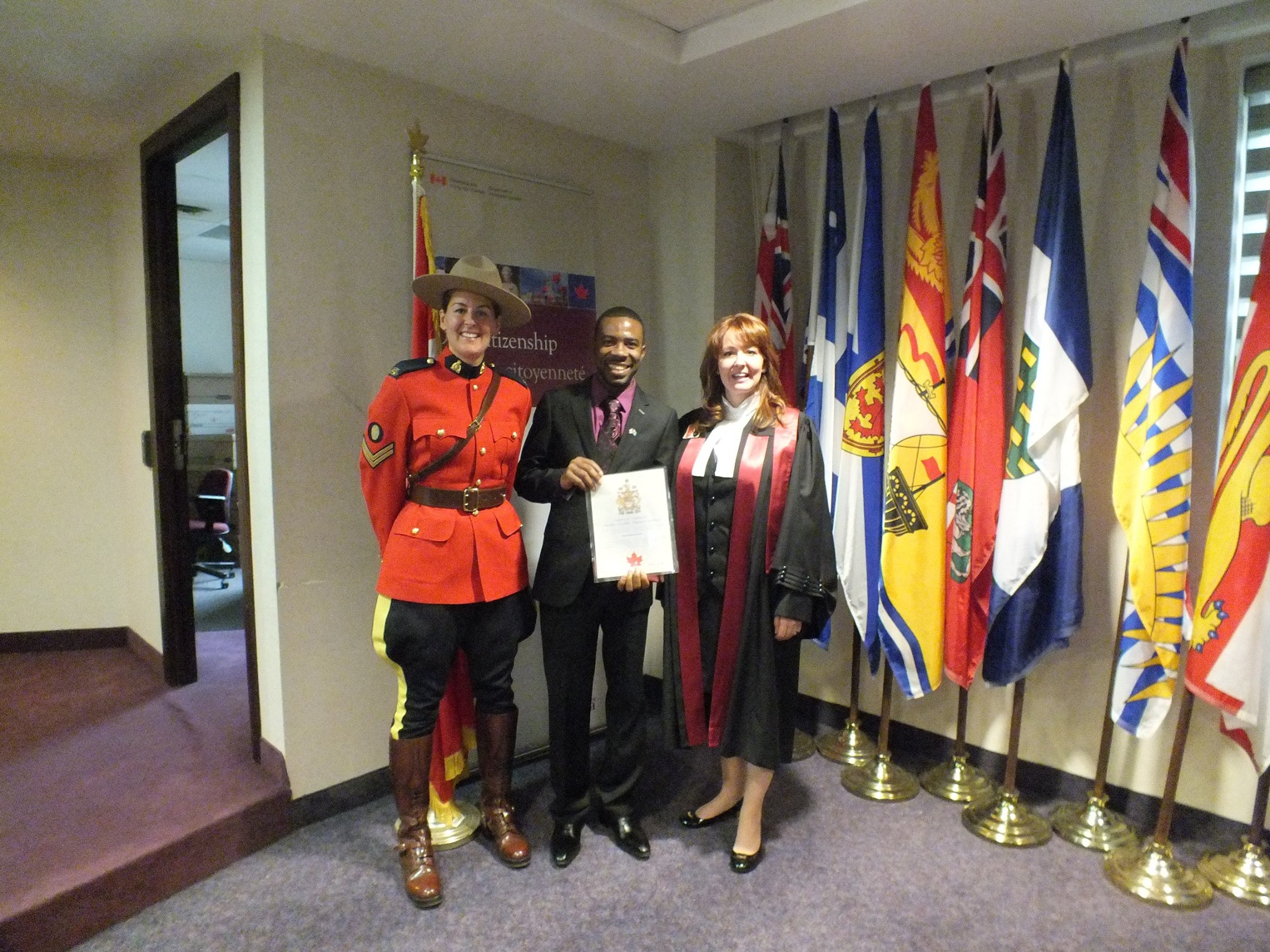
After being away from my adopted country, Canada, for five months, I returned with a renewed sense of energy—both physically and mentally.
My journey took me through several countries, including my motherland, the Democratic Republic of Congo, neighbouring Burundi, Kenya, and the United Kingdom.
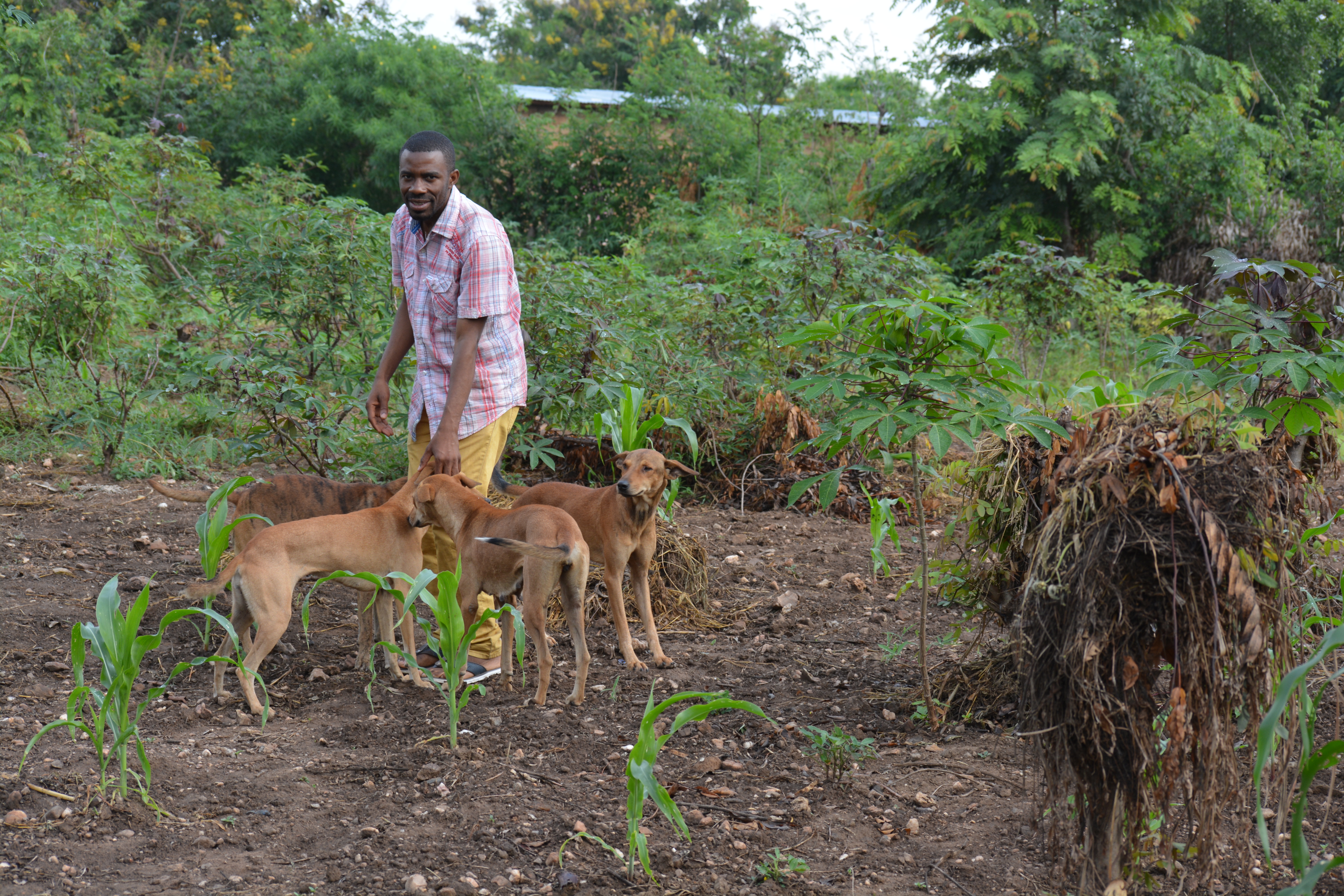
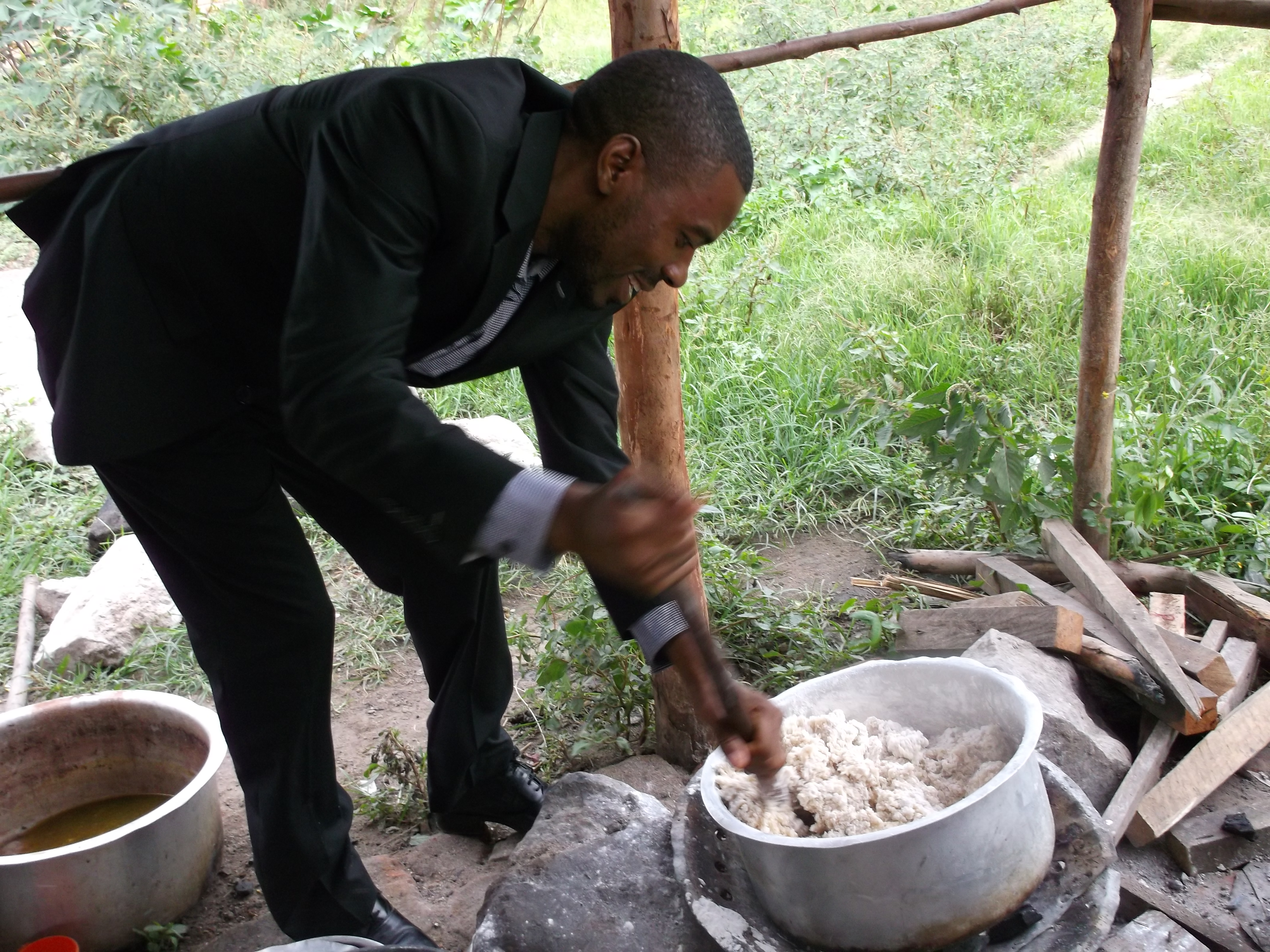
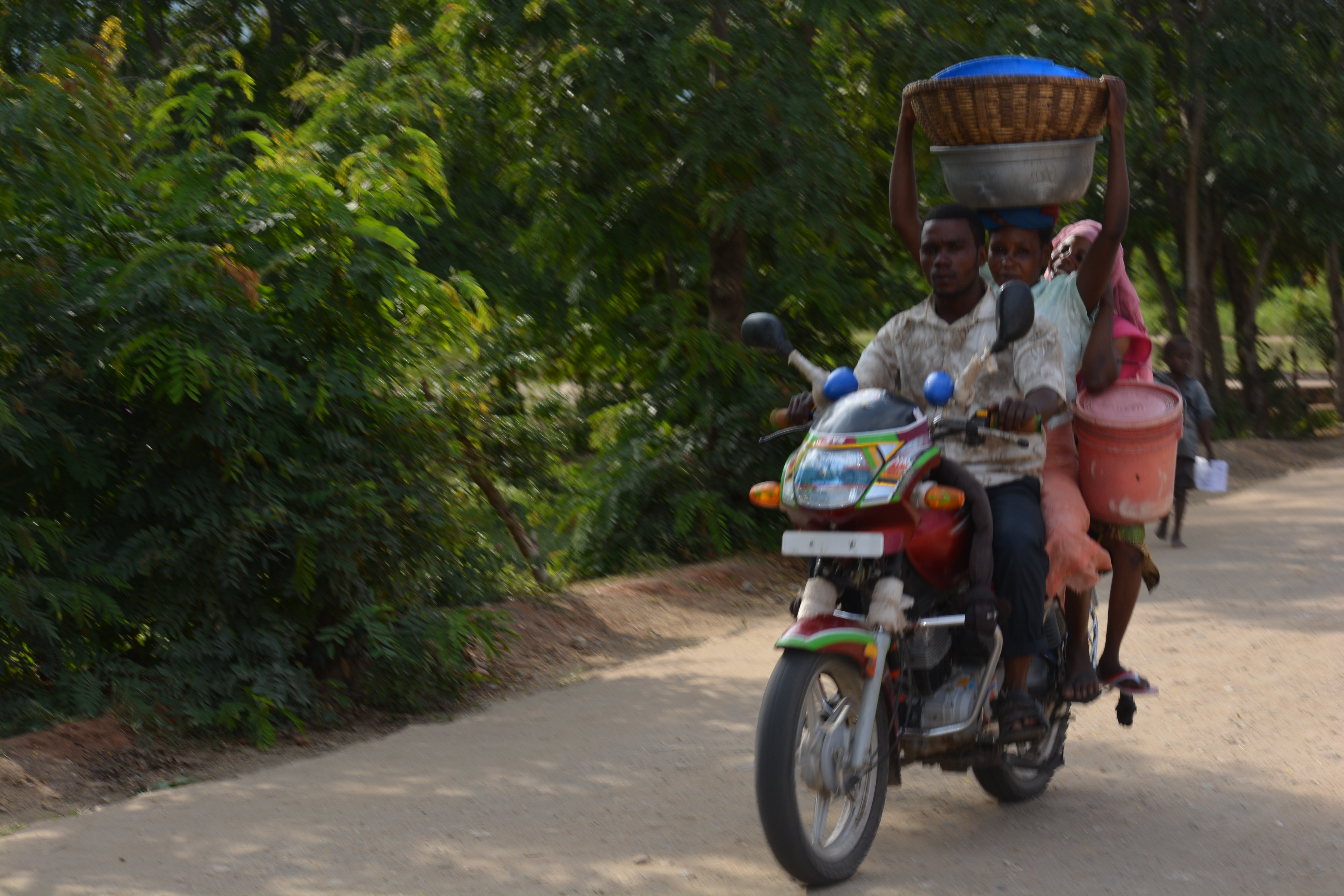
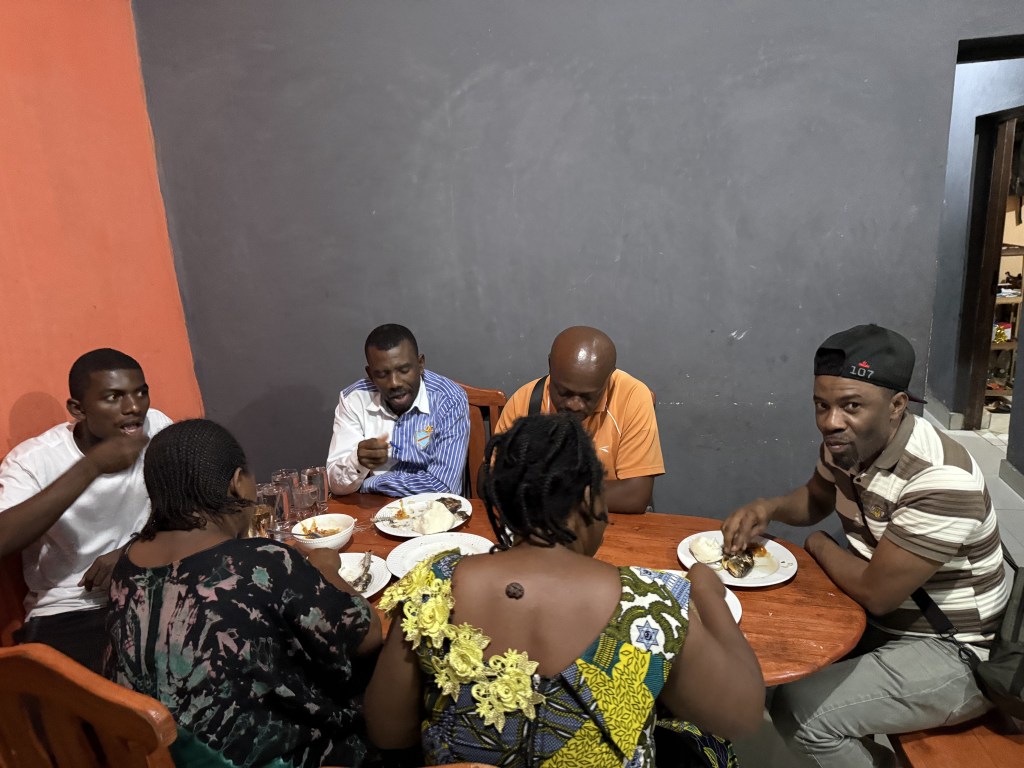
Being surrounded by warm weather, welcoming communities, familiar cultures, and people I grew up with gave me an opportunity to reconnect with my roots. More importantly, the journey allowed me to learn new things from each community I encountered.
Every place taught me something.
Every person I met reminded me of something.
And every experience became part of the story I brought back home.
A Lesson from London
One of my experiences in London taught me an important practical lesson that I would like to share with other travellers.
Before booking my flight, I did not realize that you may not be able to remain inside the airport overnight while waiting for your next flight. At Heathrow Airport, depending on the circumstances and airport rules, passengers who have a long overnight wait may need to leave the terminal and return later.
This can become particularly challenging if you are not prepared.
For example, if you need to buy a cup of coffee and only have a $100 US bill, you may find it difficult to exchange a small amount and receive the remainder in US dollars. In my experience, I was told that the change would not necessarily be given back in US dollars.
That experience taught me an important lesson:
When travelling internationally, preparation matters.
If you have a long layover at Heathrow, especially overnight, make sure you understand the airport’s arrangements and consider booking accommodation if necessary. It is also wise to carry some British pounds and have a Visa or debit card that works internationally.
I learned this lesson from personal experience. At one point, I ended up sleeping in a coffee shop outside the airport because I had not adequately prepared for the overnight wait.
Travel teaches you things that no textbook can teach you.

A Different Experience in Kenya
My experience at Jomo Kenyatta International Airport in Nairobi, Kenya, was different.
When I needed to exchange US dollars or British pounds, the process was more accommodating to what I needed. If I exchanged part of my money, I could receive the remaining amount in the original currency as requested.
It may seem like a small detail, but when you are travelling internationally, these small things can make a big difference.
My short stay in Nairobi, while I was in transit waiting for my flight to London, also gave me an opportunity to experience a little of Kenya before continuing my journey.
D.R. Congo and Burundi: Warm People, Difficult Realities
My experiences in the Democratic Republic of Congo and Burundi were also deeply meaningful.
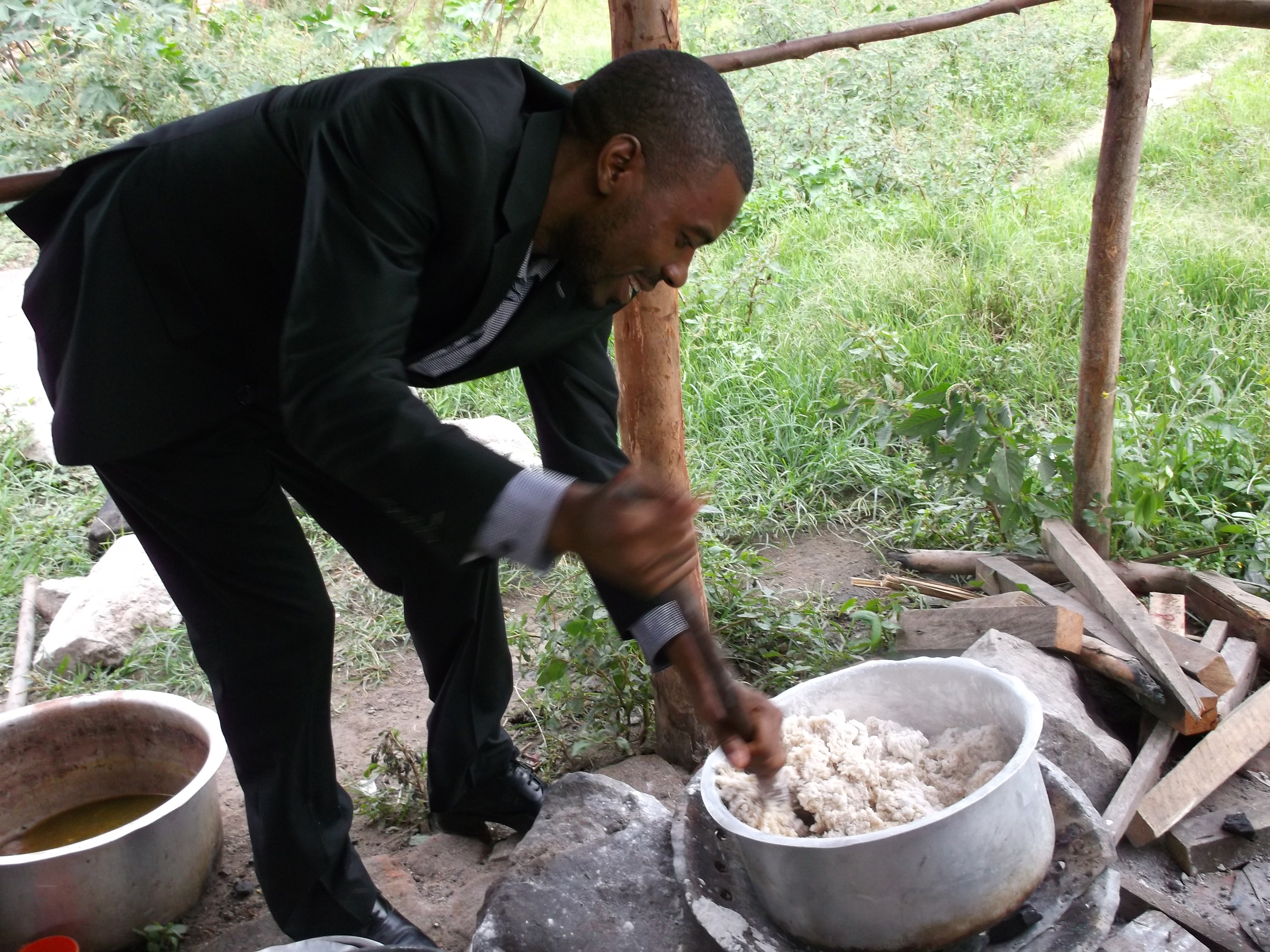
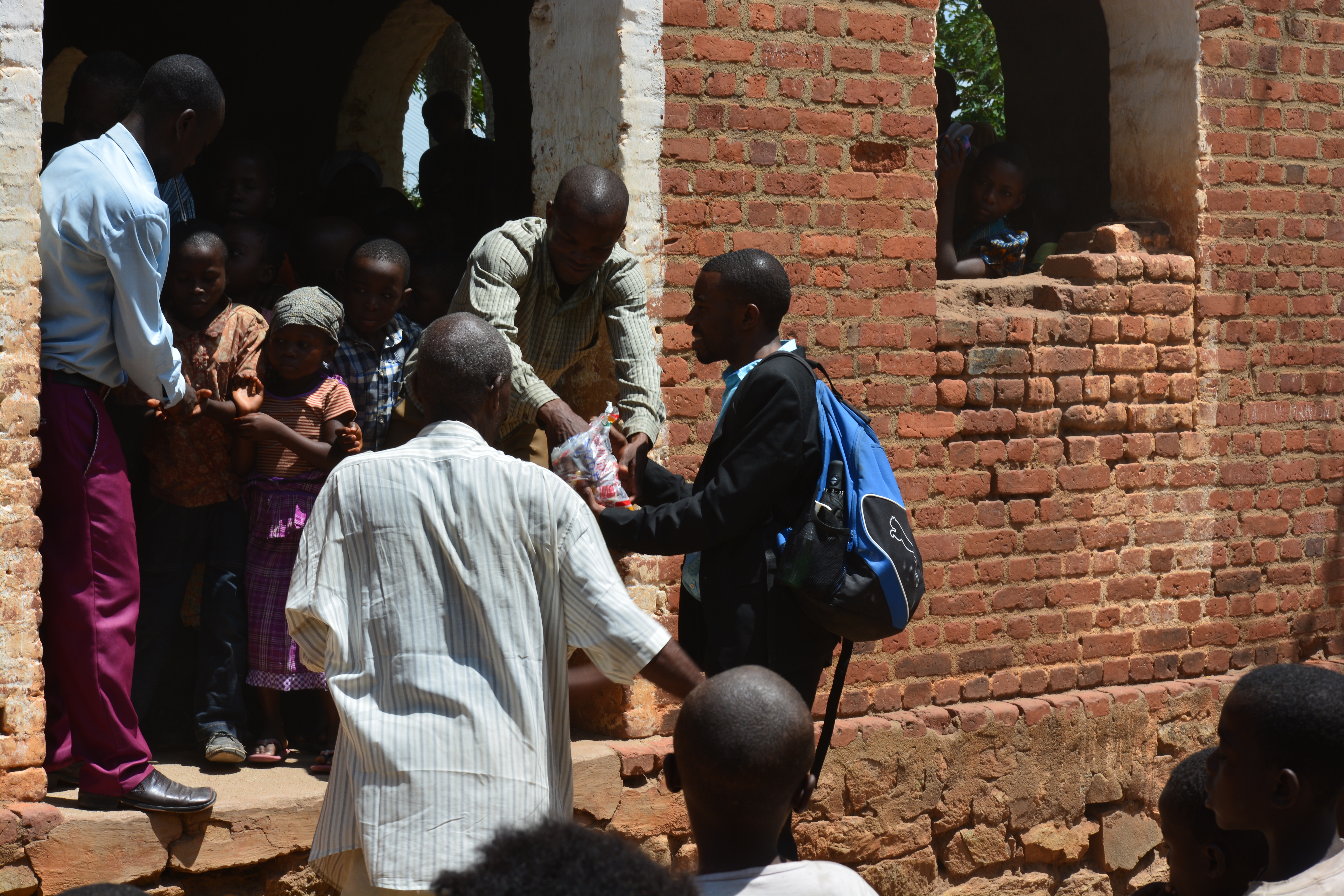
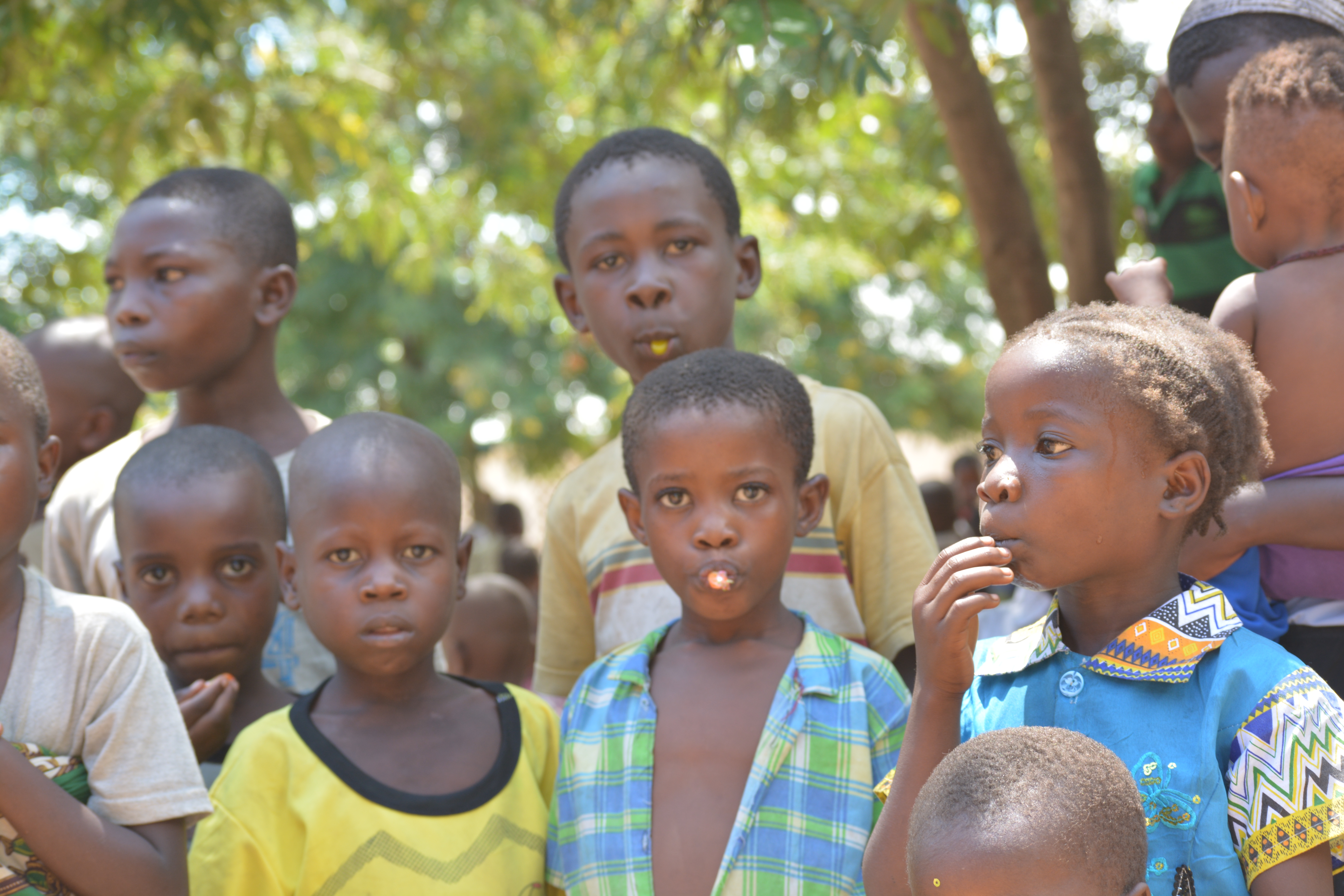
The warmth and hospitality of the people were remarkable. Communities welcomed me, and I was reminded of the strength that exists among people even when circumstances are extremely difficult.
But at the same time, I witnessed realities that are difficult to describe.
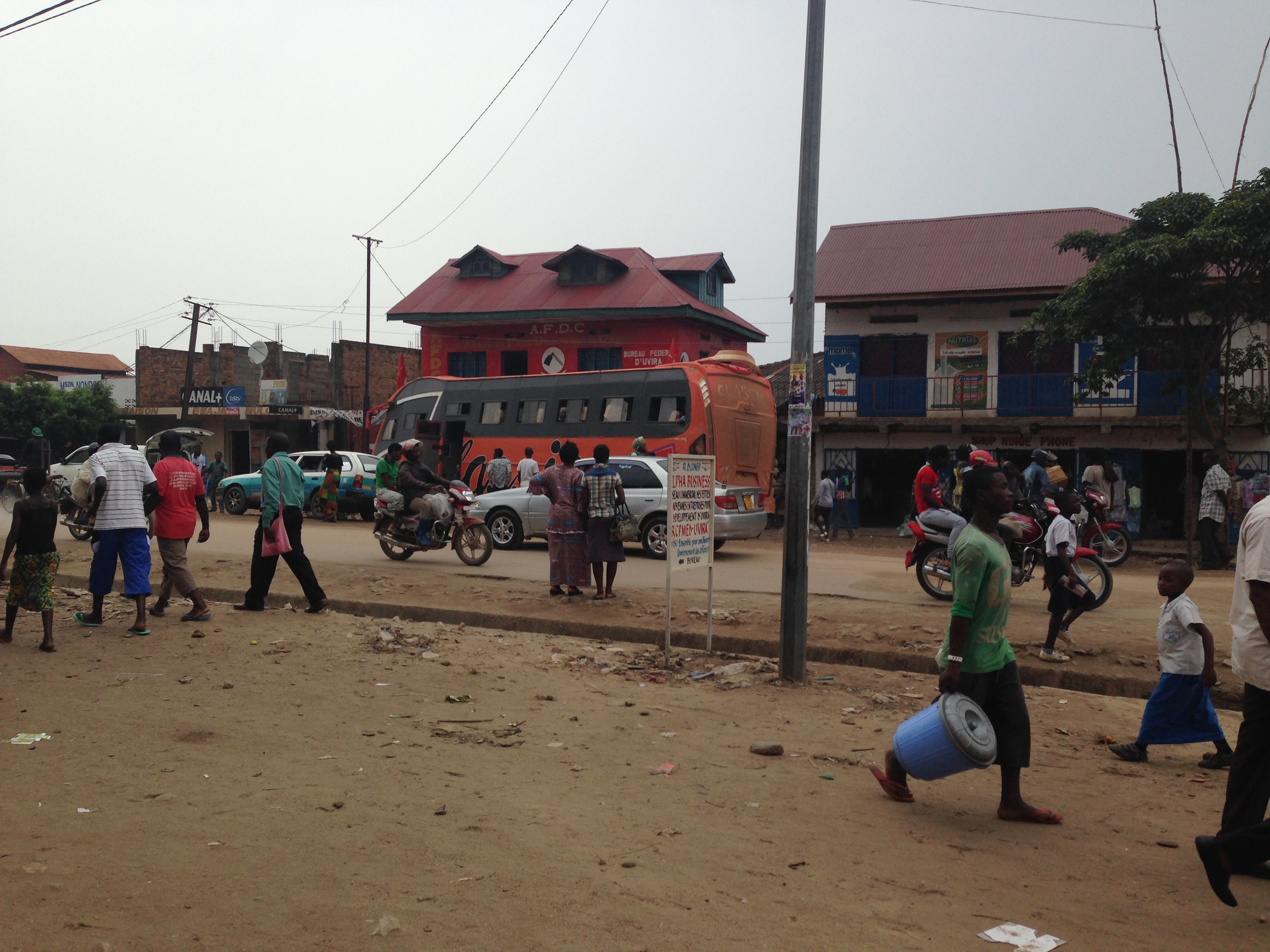
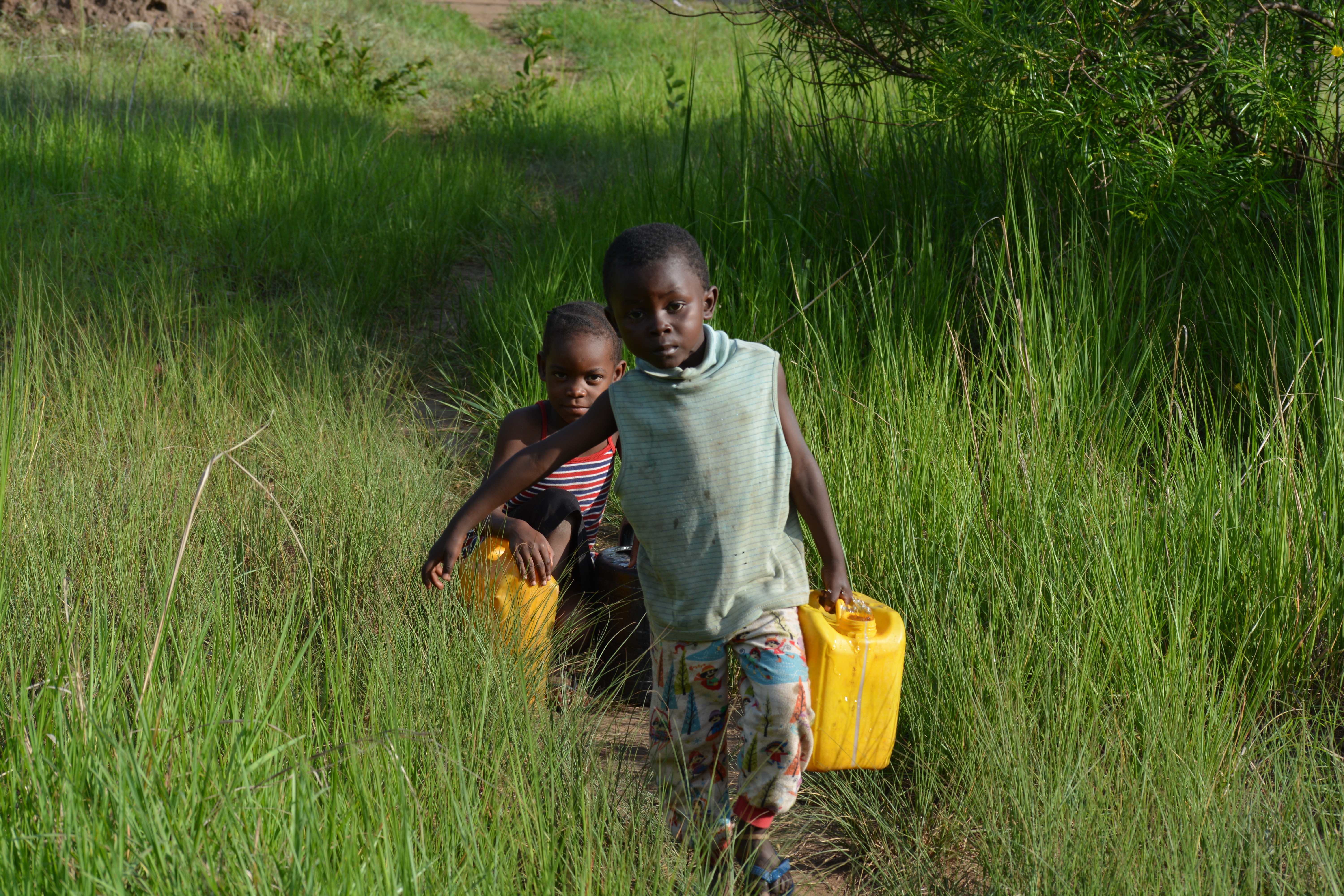
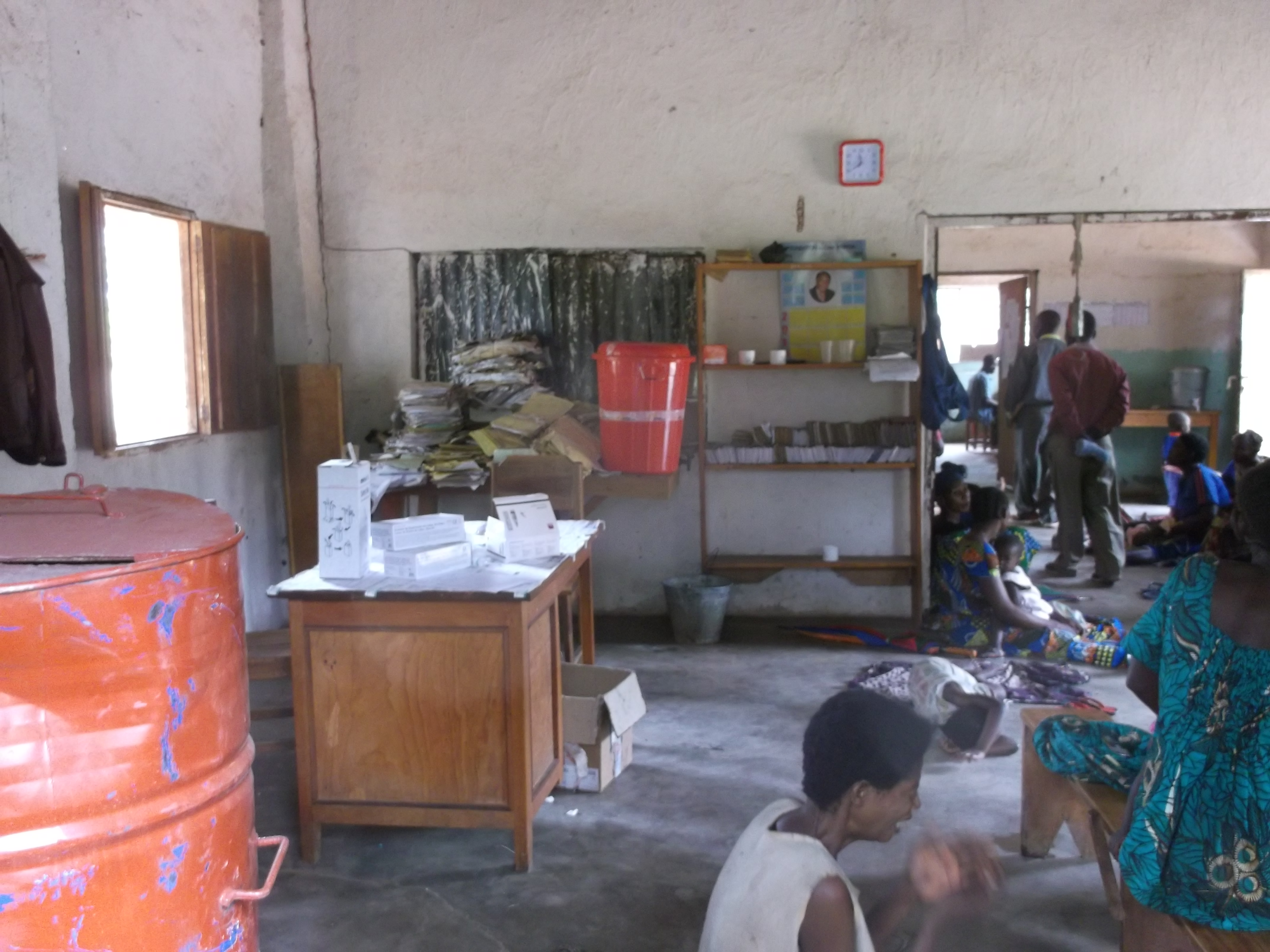
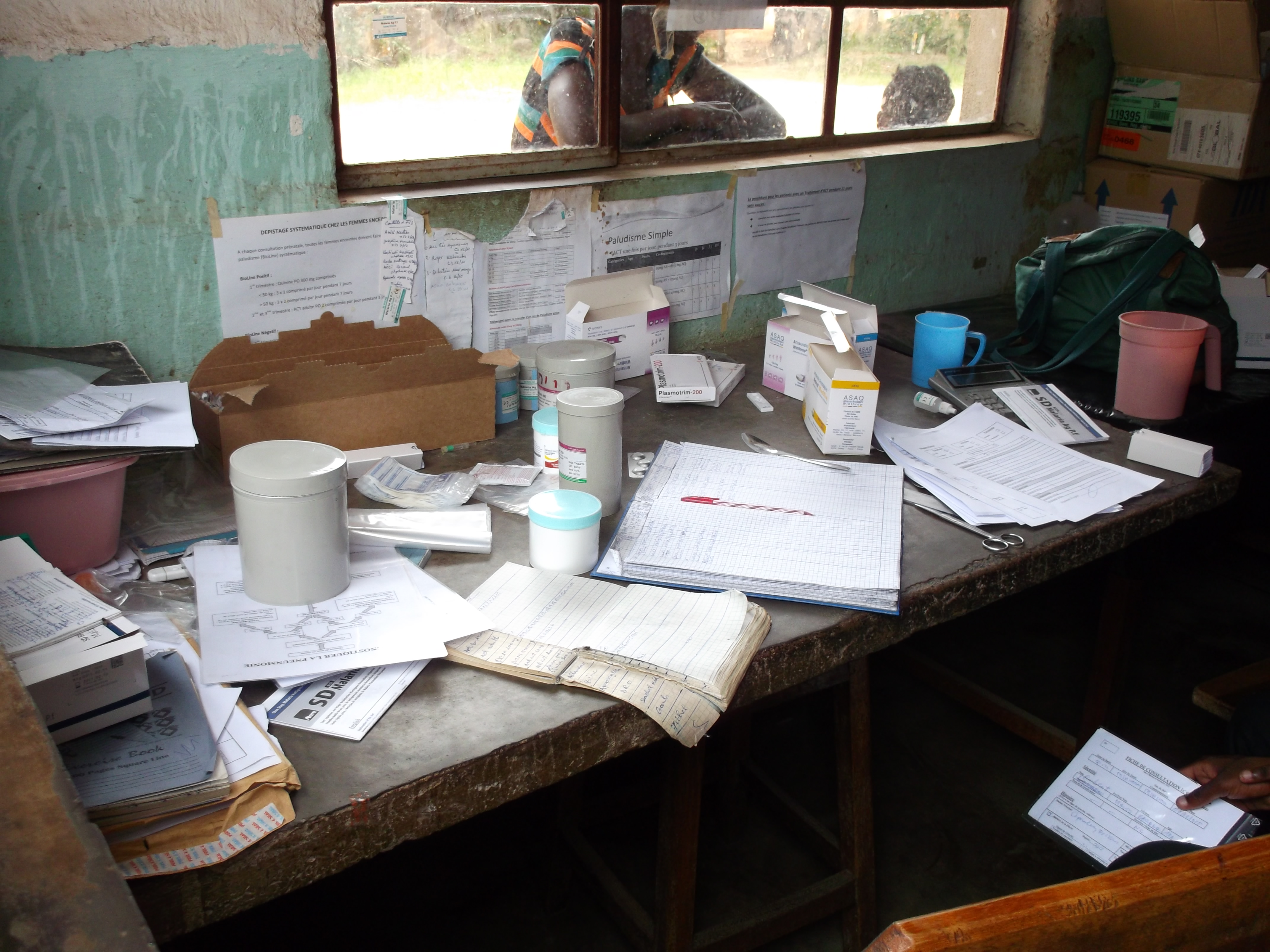
In the eastern part of the Democratic Republic of Congo, especially in areas affected by ongoing conflict, Bukavu, Uvira, Fizi etc, life can be incredibly difficult. For many people, survival itself is a daily challenge.
It is difficult to imagine what families endure when they live with insecurity, uncertainty, displacement, and limited resources.
My prayer is simple:
May peace return to eastern D.R. Congo as soon as possible. May families be able to live without fear, children grow up in safety, and communities have the opportunity to rebuild and prosper.
When Honesty Becomes Uncomfortable
Coming back to the subject of honesty, I recently experienced a situation that reminded me how difficult it can sometimes be for people to accept the truth.
This morning, at around 8:20 a.m., I went to ServiceOntario to renew my health card. The office was scheduled to open at 9:00 a.m., and there were already several people waiting in line.
However, there was some confusion about who was actually first, second, and third in the queue.
The person at the front of the line knew that another man had actually arrived before the person who believed he was second. That man had briefly stepped away to use the washroom.
When he returned, the person at the front explained to the man who believed he was second that the returning man had actually been there before him.
In other words, the person who had stepped away was still ahead of him in the line.
Unfortunately, the man did not immediately accept what he was being told, even though the person was simply explaining what had happened.
After several people became involved, the situation was discussed and eventually clarified. Thankfully, everything was resolved peacefully.
The Truth Is Not Always Comfortable
That simple experience reminded me of something important:
Telling the truth is not always easy, and people do not always want to hear or accept the truth.
Sometimes, honesty may make a situation uncomfortable. Sometimes, telling the truth may mean challenging someone’s understanding of a situation. And sometimes, being honest may even create disagreement.
But honesty should not depend on whether people like what we say.
At the same time, honesty should be practiced with respect, humility, wisdom, and compassion. Telling the truth does not give us permission to disrespect or hurt others.
The goal should not simply be to prove that we are right. The goal should be to do what is right.
Why These Values Matter
Honesty, love for one’s community, and helping those in need are deeply connected.
If we are honest, we build trust.
If we love our communities, we become concerned about the well-being of others.
If we help those in need, we turn compassion into action.
Imagine what our communities could become if more people genuinely embraced these three principles.
Imagine communities where people tell the truth even when it is difficult.
Imagine communities where people care about their neighbours instead of thinking only about themselves.
Imagine communities where those who have more willingly help those who have less.
Imagine communities where speaking up about injustice is not considered a problem, but an act of responsibility.
That is the kind of community I want to see.

A Personal Reflection
My five months away from Canada gave me more than memories and photographs.
They gave me perspective.
I travelled across different countries and encountered different cultures, but I also encountered something universal: people want to be respected, heard, loved, and treated fairly.
Whether in Canada, D.R. Congo, Burundi, Kenya, or the United Kingdom, people may live differently, speak different languages, and face different challenges but human dignity remains universal.
My journey reminded me that we all have something to contribute.
It does not always have to be money.
Sometimes, it is our time.
Sometimes, it is our knowledge.
Sometimes, it is a word of encouragement.
Sometimes, it is simply telling the truth.
And sometimes, it is having the courage to stand up and say, “This is not right.”
Final Thoughts
So, I return to the questions with which I started:
What is wrong with choosing to be honest?
What is wrong with choosing to love your community?
What is wrong with choosing to help those in need?
My answer is simple:
There is nothing wrong with any of these things.
In fact, I believe our communities need more honesty, more compassion, more courage, and more people who are willing to serve others.
We may not be able to change the entire world.
But we can change something around us.
We can help one person.
We can encourage one young person.
We can speak the truth respectfully.
We can support our neighbours.
We can contribute to our community.
And we can choose to make a difference wherever we are.
Honesty may not always be comfortable. Loving your community may not always be easy. Helping those in need may require sacrifice. But doing what is right is rarely about what is easy. It is about what is meaningful.
This is one of the lessons my journey has reminded me of.
Be honest. Love your community. Help those in need. And wherever you go, leave something good behind.